Monday, March 7, 2016

Be Bold: 4 Uncommon Types of Content That Attract Hundreds of Backlinks

links


If you want great backlinks in the modern SEO world, you need great content.


It’s as simple as that.


Those links improve your search engine rankings and send you droves of referral traffic.


Really, all the posts you read on content marketing come down to two things:


  • how to create great content

  • how to promote it


They can both get pretty complex when you dive into them.


Here, I want to focus on the first point.


Specifically, I want to talk about what types of content outperform all others.


I get hundreds of emails a day from bloggers asking for links to their latest “epic” guide.


I check out as many as I can, but most aren’t nearly as epic as the creators believe they are. In fact, they’re all almost identical.


If you want to be successful with your promotional efforts, you need to have something truly worth promoting.


That means you have something that’s unique, special, and valuable. And it needs to be something that people care about.


It’s no easy feat, but that’s your goal.


Out of those emails I get every day, 99% contain links to your standard blog post/guide type of content.


I love blogging—I really do—but if you want to stand out, you should also consider creating other forms of content.


There are four in particular that are really effective, and I’ll reveal what they are in this post.


Be warned, though: the reason why these types of content aren’t produced as much as others is because they are much more difficult to create than your standard blog posts.


They will cost much more time and money to produce, but they will also produce exponentially more links and revenue.


They’re not for the lazy, but if you’re ready to put in some work, let’s get started. 


Type #1: Tools rule in terms of value


It’s tough to define what a member of your audience would deem valuable, but it correlates with the usefulness of your offer to them.


Blog posts can be very valuable if they help a reader overcome a big problem.


This very post could be worth tens of thousands of dollars to you if you actually implement the advice. I’d say that’s valuable.


But many blog posts aren’t actionable even if they’re well written.


On the other hand, tools are almost always useful because they have a specific purpose and use.


How many bloggers or businesses do you know that have created tools for their audiences?


My guess? Not many.


Not only are such tools useful but they are also rare, which makes them even more special.


Let’s look at a few so you have a clear picture of what I’m talking about.


Take a look at the tool from Keywordtool.io:


image06


This was made back in May of 2014.


According to Ahrefs, at the time of writing, it had over 25,700 backlinks, coming from 3,860 linking root domains.


Can you imagine getting this many links from a series of blog posts, no matter how “epic”?


This keyword tool takes a simple concept, but it executes it well. You enter a keyword into the text box, and the tool will generate a list of keyword suggestions based on autocomplete suggestions.


Basically, it goes to sources such as Google, enters your keyword, and then looks at the suggestions that pop up.


image00


If you hire a typical developer, this kind of a tool would take about 2-3 weeks to create and cost around $5,000 (my estimate).


Based on that cost, the creator has been able to get links for 19.4 cents a piece. Or, in terms of linking root domains (LRDs), it’s $1.75 per linking root domain.


And these aren’t low quality links. On top of that, I’m sure he’s been able to sell a good number of premium memberships (a few extra features), while also drumming up some advanced keyword research projects for other businesses.


One more example (a personal one…): If you go to the Quick Sprout homepage, you’ll see the Quick Sprout tool, which you may or may not know about.


It takes your domain name and generates an incredibly detailed SEO and site performance report:


image07


It wasn’t cheap to make. In fact, it cost me over $100,000.


I include it here to illustrate that you can go as big or as small as you’d like with tools.


Small tools that cost a few hundred or thousand can still get a great amount of attention, but bigger tools usually get more.


Even though the tool is free, the leads that it has generated have already produced several times what I paid to have it created.


That’s the most important conclusion here: Tools can be used not only to get backlinks and traffic but to also produce revenue.


Blog posts convert at lower rates, and while they can produce a solid return on investment (ROI), it doesn’t compare to tools.


Are tools perfect? It’s only fair that I tell you about the potential downside of tools as well.


First is the potentially high cost. You’ll need to invest quite a bit before you ever see returns.


Secondly, results are never guaranteed. Not all tools are well received or popular, so you risk creating a tool that your audience doesn’t love.


However, if you really understand your audience and apply lean marketing principles, you can reduce the risk of this considerably.


Type #2: Viral story videos (almost commercials)


I think many people forget that videos and commercials are still a form of content.


Yes, people don’t like most commercials they see on TV, but smart marketers have figured out that there are certain types of ads that people love.


They’ll share these, link to them, and help them go viral.


My favorite example of this is Dollar Shave Club’s ad campaign.


Their first video came out of nowhere and was enough to establish the company as a household name:


image04


This wasn’t a typical commercial about shaving blades, with all sorts of close-ups. You know the ones I’m talking about…


image05


Instead, it’s an immensely entertaining video starring the founder.


They don’t include the standard platitudes that viewers are sick of hearing. Instead, they’re authentic.


I strongly encourage you to watch the full video now, before moving forward:


This video alone has received almost 22 million views along with 9,520 backlinks from 1,760 domains:


image08


It’s true, creating a video like this isn’t cheap.


It will cost tens of thousands of dollars, and that’s why most businesses don’t even attempt it.


However, if you have the budget, it’s a great option. Just remember to also budget for the initial promotion (that hopefully pushes the video viral).


Type #3: High quality images are more valuable than ever before


I’m not sure why this idea did not take off in the past.


It’s not new.


The strategy is to create a whole bunch of custom images that bloggers in your niche would love to use.


Once you do, you let them know about the images and say they can use any of them free as long as they link back to your site, giving it credit.


If you’re a blogger, you know how hard it is to find great custom images, let alone free.


That’s why this is such an easy sell.


But now, I think this strategy is more effective than ever before.


There have never been more bloggers creating content on a regular basis. That’s one factor that raises the demand for images.


Additionally, most of those bloggers are realizing that quality is the most important factor in their success. That applies to both their writing and the images they use. This creates even more demand for high quality images.


If you can provide that, you will be successful.


Stock images suck, go for custom: There are tons of free stock image sites out there with the same old pictures of models dressed up, faking some pose.


There’s a reason why readers hate these: they look fake and unrelated to the content.


You could customize those stock images, but that’s more work than most bloggers are willing to put in.


Your best bet, when using this strategy, is to create a ton of custom images relevant to the topics that bloggers in your niche write about.


Here’s an example of one that I used on one of my past posts:


image02


As you can see, it doesn’t necessarily have to be complex to look nice and enhance the content.


Take image building a step further and make images for stats: One specific approach you could take is to create images, essentially mini-infographics, that summarize important industry stats.


This approach has one huge bonus.


Think about a time when a blogger is searching for a good stat to use.


They head to Google and search for something like:


content marketing challenges stats


A good portion of the time, they will look for good images to include with the stats they find (I know I do):


image03


If they see a good one, they’ll click on it and go through to the page that hosts it:


image01


In this case, that page would be your gallery.


As long as you ask nicely for a link in exchange for the picture, you’ll usually get it.


The big benefit is that it’s easier to rank in image searches than regular results.


On top of the links you get from emailing specific bloggers, you’ll get links naturally from people who find your image gallery through this process.


But don’t rely on image traffic: If you want to control your ROI from this project, you need to promote your gallery to bloggers yourself.


Make as big of a list of bloggers as possible, and start emailing them with a message like this:


Subject: I made a free gallery of custom (niche) images


Hi (name),


I know that it’s tough to find or create great images to use in blog posts, so I thought I’d do something for the (niche) community.


I’ve hired a designer to create a ton of custom images, some of which will probably be perfect for future posts you write. (I can’t use them all myself!)


The only catch is that I’d appreciate a link back to the gallery when you use a picture.


I’ll also be removing each picture once it’s used a few times so that none of them become too common.


If that sounds like something you’re interested in, let me know, and I’ll send you the link.


Cheers,


(Your name)


Type #4: Stats will drive the future


The final type of content that isn’t created as often as it could be is a list of stats.


Good bloggers love stats and will link to a source when they use a particular statistic in their content.


If you collect a ton of stats on different topics in your niche, they will often link to your page as a reference (on top of the original research studies).


For example, in a health niche, you could create stats for things like:


  • junk food consumption in 2016

  • average amount of protein in diets of different countries

  • number of vegans in 2016 (or over the years)

  • average minutes of exercise that people get per day


Think of stats that bloggers will be looking for.


To make it even more effective, conduct original research: The real power comes when you conduct your own surveys and data analyses.


Then, when a blogger wants to cite a stat from that research, they will link back to your site every single time.


You can easily get hundreds of links (or many more) if your research provides a useful, interesting result.


One business who does this sort of thing is Buzzsumo.


You may remember them because I wrote a post that summarized their research on over 1 billion Facebook posts.


Since they emailed me their findings directly, I didn’t link back to a specific page on their site. Instead, I just linked to their homepage multiple times, which is even better for them.


While I can’t say exactly how many links that research got them, I can confidently say that it’s in the thousands by now.


That kind of research is difficult, but if you’re willing to put in the effort (and maybe hire a data scientist/programmer), it’s possible.


Conclusion


I warned you, none of these content types are easy to produce—that’s why they’re not common.


However, they all can produce tremendous ROIs.


When done right, each of these types of content can attract hundreds (or thousands) of links and lead to greater profits.


I realize they’re not simple to do, so if you need some guidance, let me know where you’re stuck by leaving a comment below.


Monday, February 22, 2016

8 Tools That Will Help You Get Inside Your Readers Heads

head


Do you hate the phrase getting inside your readers head?


Althoughyou know you are supposed to be able to do it, you dont haveany specific instructions onhow to do it.


Of course, its important to understand your currentreaders and those you are trying to attract with your content, but thats one of the hardest skills you have to develop as a writer.


Its going to take years of continuous improvement to become really good at it.


However, there are ways for you to get thisinformation much soonernamely, formulas and tools.


In this post, Im going to focus on the latter.


Ive put together a list of the eight best tools for getting inside your readers heads.


They will give you tangible data you can use to produce content that resonates with your readers.


Finally, Ill show you how to use the key features of these tools. I promise that none of them are difficult to use and that they are worth your time.


Tool type #1 Hard demographics data


If you want to know what your readers think, you first need to know who they are.


Thats where demographics come in.


Essentially, any statistic that describes a characteristic of your audience is a demographic. The most common are:


  • age

  • location

  • device preference

  • gender

  • marital status


The tools in this section will help you figure out who you should be targeting in the first place. They can be used whether you have an existing audience or are just starting off.


1. Demographics Pro for Hootsuite


This tool is one of the most complete Ive ever come across when it comes to demographics.


The only significant limitation is that it draws its data from Twitter.


However, as long as people in your niche use Twitter (which is likely), its really useful.


While you can sign up for Demographics Pro directly, its pretty simple to use this Hootsuite app.


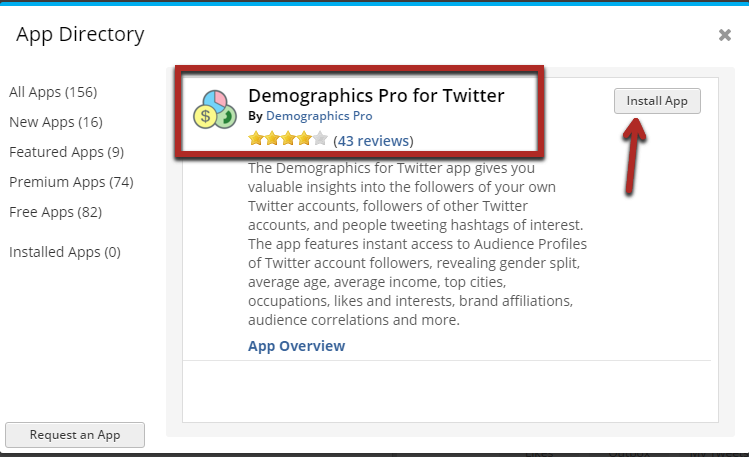
When you click the link in the title for this tool and then click the Install App button on the page, youll be taken to Hootsuite, where youll see a pop-up like this (if youre signed in):


image04


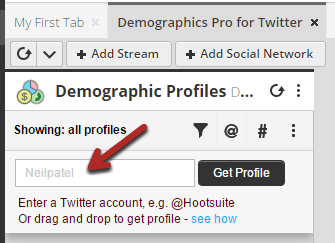
Once you install the app, youll see a new tab on your account called Demographics Pro for Twitter.


image03


To use the tool, simply enter a Twitter handle (e.g., @NeilPatel), and click get profile.


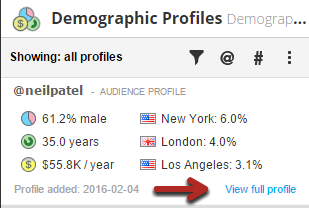
Thatll automatically bring up some basic data:


image15


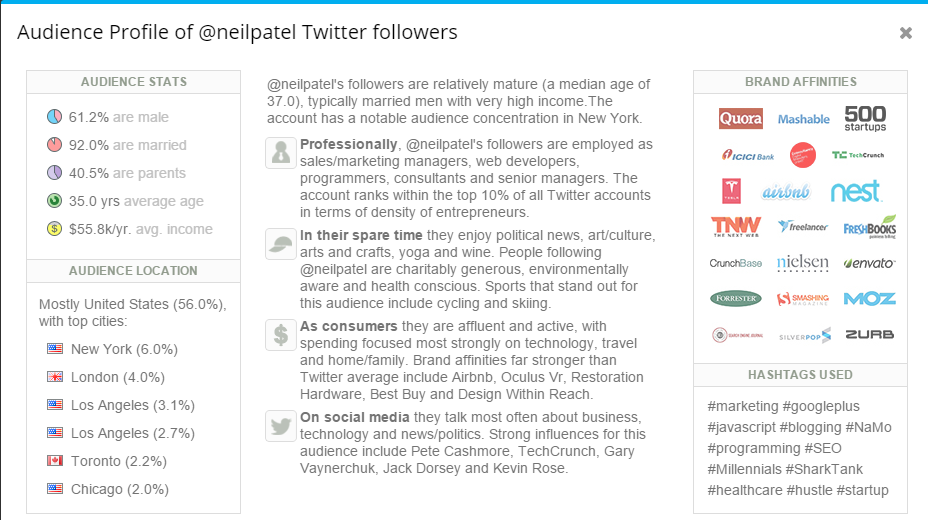
More useful, though, is the view full profile option. Click that link, and youll see an extremely detailed panel like this:


image11


From this, you can get a ton of demographic information about your (or their) followers and even some psychographics (more on that in section 2):


  • gender distribution

  • marital status

  • parental status

  • age

  • average income

  • location

  • types of jobs they have

  • types of hobbies they have

  • types of brands they like


Its a gold mine of information.


If youre already using Twitter, start with your own profile.


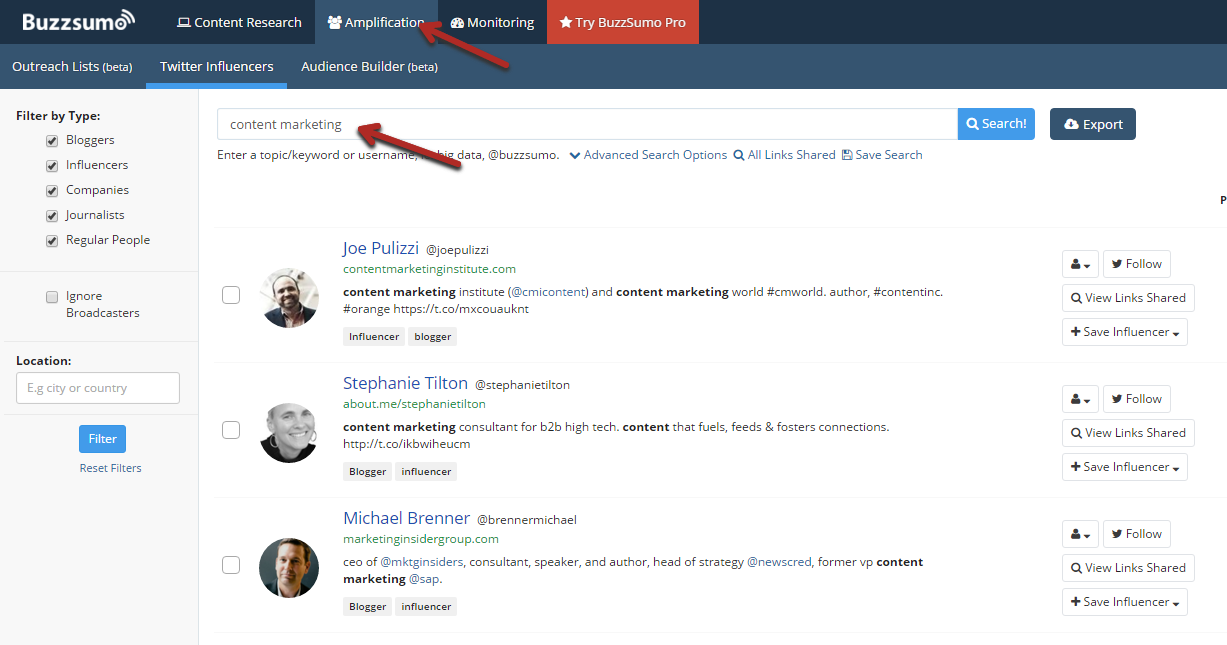
Then, get the stats of some of your top competitors. If you dont know who they are, head to Buzzsumos amplification tool, and search for some keywords that describe your niche:


image05


2. Sprout Social


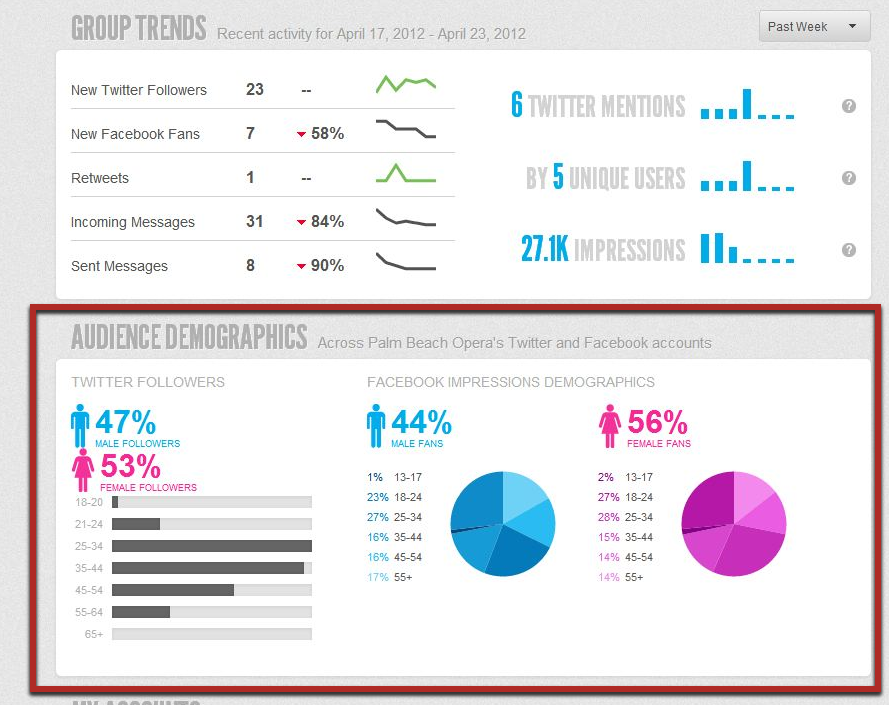
This is a similar type of social audience analyzer. However, it analyzes both Facebook and Twitter, so theres a potential to get a few different insights.


Once you sign up for an account (free trials available), you can connect your Twitter and Facebook accounts (only your own).


That will populate your account with a bunch of social trends data, but more importantlydemographics.


image13


On top of getting a gender distribution of the audience on each platform, you get a detailed breakdown of their age brackets. Thats another important insight into your audience that will come in andy.


3. Google Display Planner


It might surprise you to find out that the Google Display Planner is another decent source ofdemographic dataeven though itisnt the tools primary purpose.


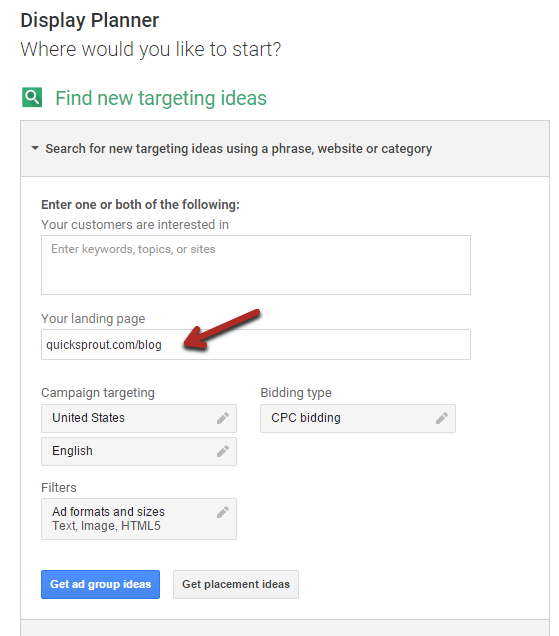
When you open the planner, you have two options for searching:


  • keywords, topics, or sites

  • a landing page


I recommend doing both, and several times if possible. The larger your sample size, the more accurate your demographics data will be.


You can enter your own site, a competitors site, orkeywords that you will be targeting with SEO.


Once youve picked an option, click the blue button to proceed:


image06


On the next page, youll get a whole bunch of suggestions for ad keywords. Ignore them.


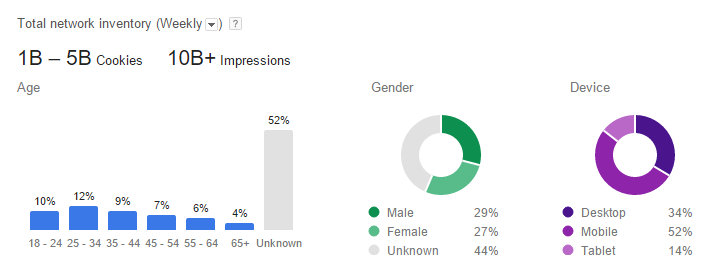
The only thing we care about here is the panel in the center of the screen that breaks down the demographics of people who search for the terms you entered (or terms found on the page you entered).


It looks like this:


image00


Again, you get a gender and age breakdown.


Additionally, you can record which devices that audience prefers to use.


Is all this information redundant? It is to a degree, but its still useful. By now, you have demographic data from three different tools.


That data may look the same, but there may be differences because its collected from different sources.


Having data from multiple sources ensures that it wont be skewed. You can take an average of all the data you collect or keep it as a range (i.e., average age might be 25-34 and not just one specific number).


4. FollowerWonk


The final tool in this section also uses Twitter to retrievedemographic data. However, it provides one important feature that the others miss.


Once you create an account, go to the Analyze tab on the top menu. Enter your Twitter handle, and let the tool scan your followers.


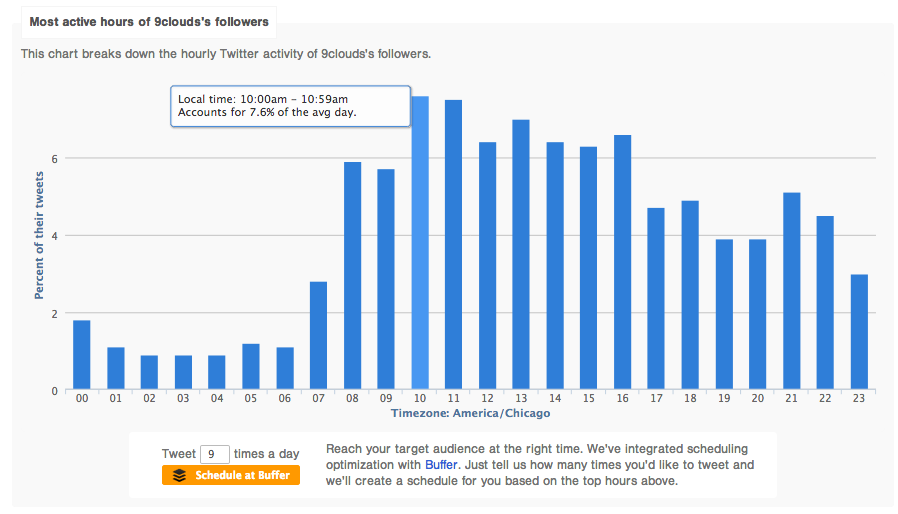
On the next page, look for a graph like the one below that shows at what times your followers are most active.


image10


This information will be useful when you are promoting your content, especially on social media.


Tool type #2 Understand your readers thinking (psychographics)


Once youve nailed down who your readers are or will be, its time to start figuring out how they think.


Ideally, you want to answer questions such as:


  • what are their biggest problems?

  • what type of content do they like the most?

  • what kind of language do they use?

  • what bores them, and what excites them?


The tools in this section will help you answer these questions and eliminateguesswork.


5. Faqfox


This is a simple tool that makes getting useful data from forums easy.


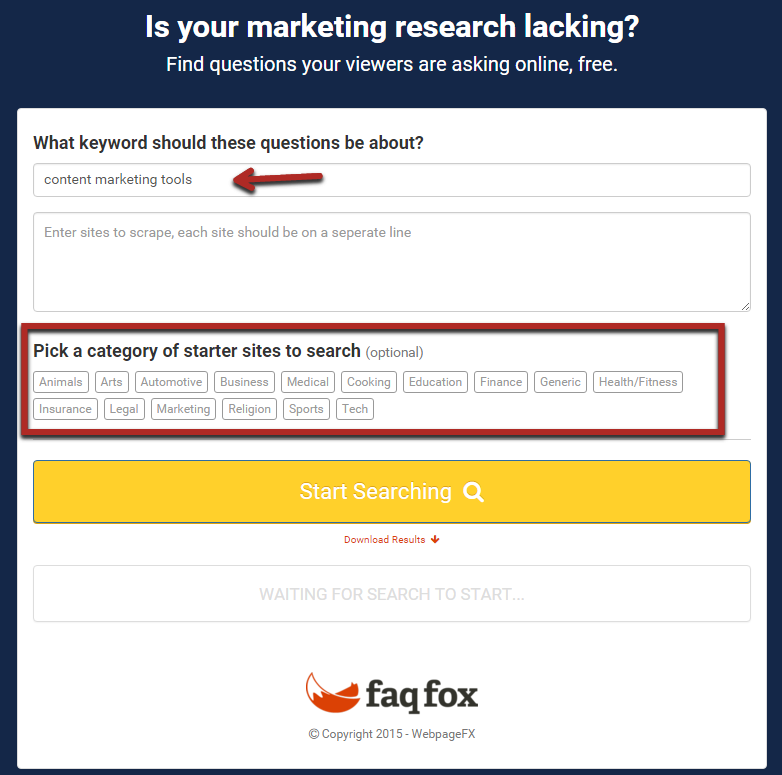
Basically, you enter a keyword and sites to scan, and the tool pulls up relevant thread titles for you. You can search multiple sites at once.


Start by inputting a keyword into the first field. You could manually enter sites, but an easier option is to simply pick one of the preset categories. If youre not sure which one to choose, pick generic:


image09


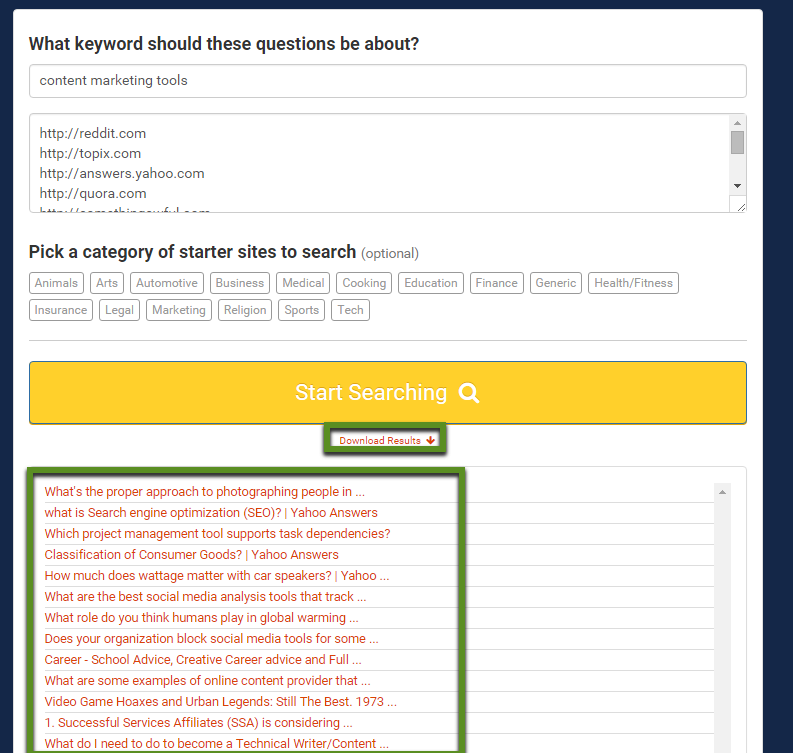
The tool will load the results after a few seconds of search:


image01


I recommend downloading the results into a spreadsheet and analyzing them there.


Remember those questions you need to answer? These results will help you do that.


Youll have some irrelevant results, so start by removing those.


Once you have a few hundred relevant threads left, dig in.


Note down:


  • common questions (those thatcome up more than once)

  • any phrasing that you wouldnt normally use yourself

  • any other keywords that you havent thought of (that you see in the titles)


Then, repeat this whole process at least a few times with different keywords.


6. Crazy Egg


If you know me well, you know I founded Crazy Egg.


Ill let you judge the tool for yourself, but it can be incredibly useful for understanding the behavior of your readers.


The one catch is that you have to actually have readers before you can use the tool.


Assuming you do, Crazy Egg will give you a variety of heatmaps that will show you exactly how readers interact with your content.


There are two types of maps youll want to look at.


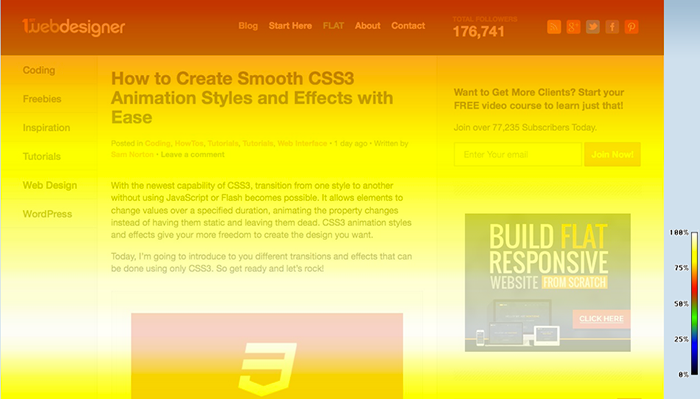
First is the scroll map, which tells you how people scroll through your page. You can tell what portions of the page they pay more or less attention to.


image08


Its natural for the percentage to decline asyou scroll down, but you might seethat it declines at certain sections in the middle of the content.


This is a clear indication that something on your page didnt interest your readers.


For example, if I looked at a heatmap for this post and saw that theres a huge drop off withinthis section, I could conclude that my readers dont like reading about heatmap tools (or potentially about psychographics).


Similarly, hot spots lower down the page indicate that youve touched upon something that excites them.


Record this information forall your content, and youll start seeing patterns in the type of content,the tone, and the formatyour readerslike.


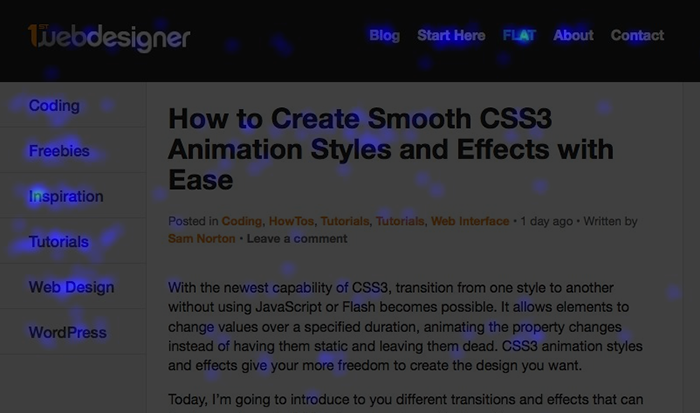
To get even more insight into your readers preferences, you can use click heatmaps, which show you what readers clicked on:


image12


Youll see that certain things attract their attention more than others. Again, look for patterns.


7. Buzzsumos Top Content Tool


The heatmaps can give you a lot of insight into what excites and bores your readers.


However, sometimes you need more, or you dont have enough readers to use heatmaps yet.


Thats where Buzzsumos top content tool comes in.


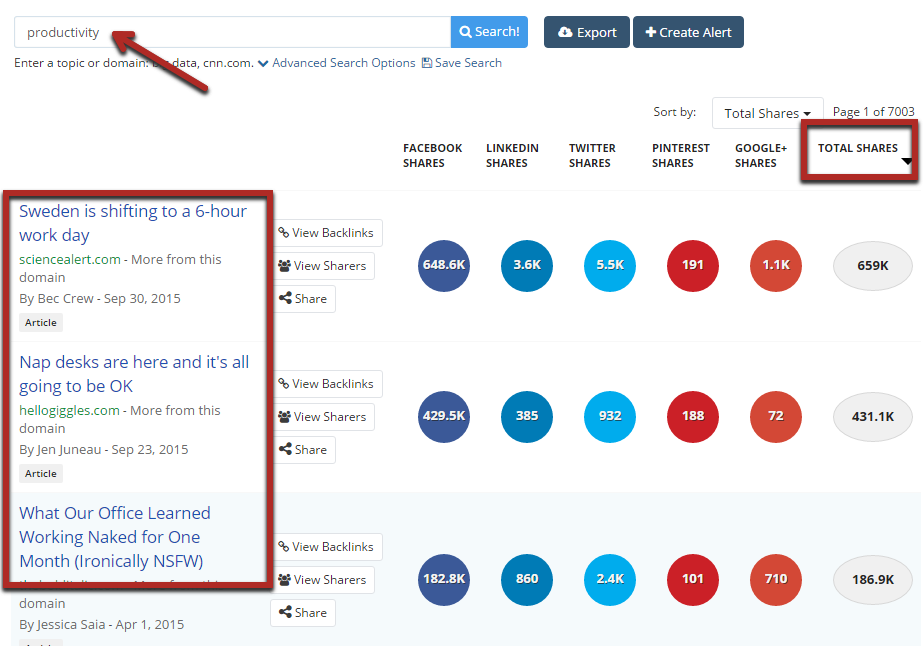
Youll want to make a list of keywords youll be using within your content. Then, search them one by one in the tool:


image14


The tool will return a list of the most popular content in the past year (sorted by total shares).


Visit as many of these pagesas you can, and record down the answers to these questions in your spreadsheet:


  • What format does the content use? (lots of images? videos? big font? small font?)

  • What tone does the content use? (news articles? personal stories? conversational?)

  • Why would your reader be so excited about this topic?


You can leave the last one blank for now if you dont know, but come back to it later.


When you have a good understanding of your readers, you should be able to figure out why these top articles would appeal to them more than the average content.


Finally, searchall theanswers to all those questions for patterns.


For example, if a large chunk of the most popular posts are mainly image-based, you know that your readers love images.


Tool type #3 Assemble your data, and make it useful


If youve used every tool up until this point, you have a lot of useful data.


Dont justputit on a spreadsheet and forget about it.


Instead, create reader personas. Itwill help you and your team when you need to be remindedfor whom you are writing.


I created this final section for a single tool because I feel thatalthough it is a small step you need to takeits a very important step.


8. Make My Persona


This tool was created by Hubspot, and its brilliant.


It guides you through a simple process that uses allthe different demographic and psychographic information youve collected with all the other tools.


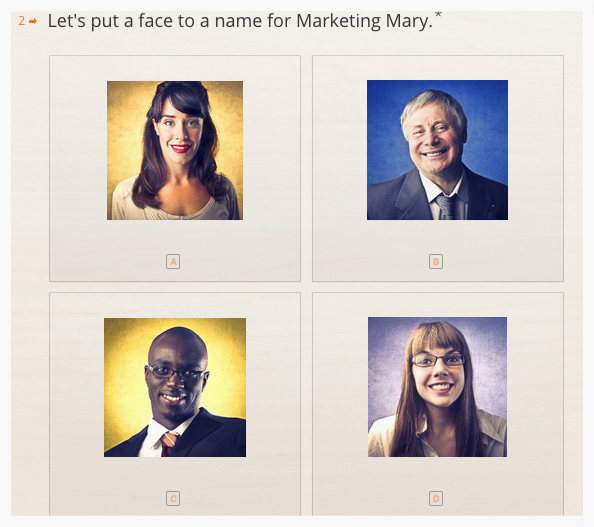
It also ensures that you dont forget any key part of creating a reader persona, e.g.,putting a real name or face to it:


image02


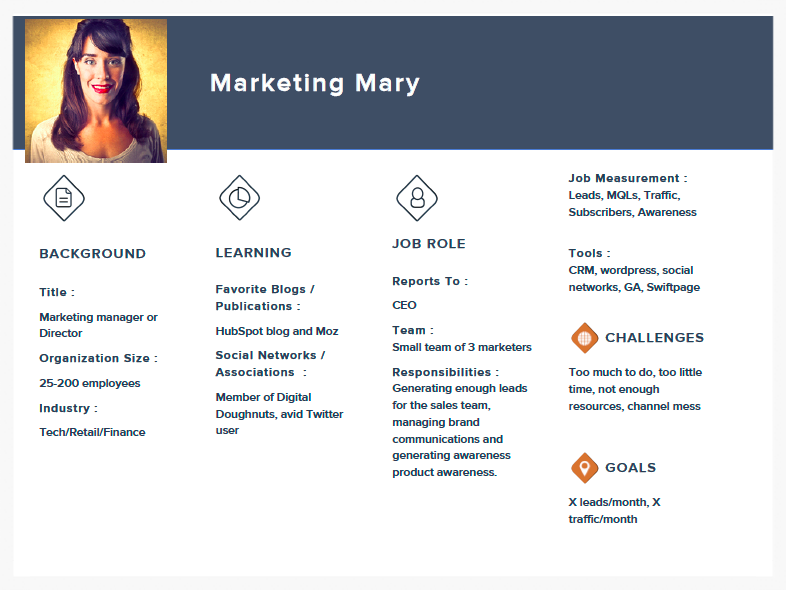
Once you answer all the questions, the tool will producea well-organized persona summary:


image07


First, you should share this with everyone whohelps you with content.


Next, you should be looking at this before you write any content yourself. Always ask yourself what this person would find valuable and interesting. Print it out, and hang it up if you need to.


Note that you can create multiple personas if thats what the data supports.


Conclusion


This is not a huge list, but every tool on this list can be useful.


The better you understand your readers, the more youll be able to write exactly what they want to see (and value).


I recommend trying at least a few of the tools, but if you really want to get a clear picture of what your readers think and care about, use them all.


If I missed a tool that can help writers understand their audiences, please post it in the comments below, and Ill give it a look.


Monday, February 15, 2016

Swiss man takes a world tour on solar powered electric bike


style="display:inline-block;width:250px;height:250px"
data-ad-client="ca-pub-7815236958543991"
data-ad-slot="8717335615">


Swiss cyclist David Brandenberger, 46, who is venturing to the far corners of the planet with his custom sunlight based fueled bike, has taken a stop in Manisa, a city in Turkey's Aegean territory.


Brandenberger told nearby media that he outlined a four meter long trailer, kept money with sun oriented boards, at the back of his three wheeled bike to venture to the far corners of the planet while as yet moderating the earth along.


The protracted trailer empowers him to convey a guitar alongside photography gear.


Amid his endeavor, started July a year ago, Brandenberger will take after the noteworthy Silk Road system to China, predicting his trip to last around 10 years.


Brandenberger, having ventured out 8,000km to date, said the most huge issue of his trip is finding a parking space with his five meter long bike.


"My actual job is opticianry, but the idea of travelling the world makes me very happy", he said.


Source : TRTWorld, yenisafak.

Wednesday, January 27, 2016

A Recipe for Failure: 6 Mistakes Marketers Make When They Copy Tactics

mess


You spend a lot of time reading blog posts and e-books to learn how to market your business more effectively.


So, why isn’t it working?


Sure, you might be getting some traffic, maybe even a few sales, but are you getting a stream of both that's growing steadily?


If you’re like 95% of business owners or marketers, you’re not.


Although you’re using all the same tactics the pros are using and succeeding with, they just don’t seem to work for you.


Some business owners spend years repeating this fruitless cycle until they deem online marketing a failure.


And it’s a shame because it could help them a great deal.


You and I both know it.


Do you want to know the cause for these struggles?


I can sum it up in one sentence:


It’s not enough to know how to use a tactic. You need to know why it works.


Let that sink in for a second.


Anyone can read an article on a popular blog like Quick Sprout or Backlinko and learn about marketing tactics that work.


They are usually broken down step-by-step so that just about anybody could figure out the technical details.


But what most marketers don’t realize is that certain tactics only work in certain situations.


You can adapt many of them to your specific business, but in order to do that, you first have to understand why they work.


The best way for me to show you the mistakes you might be making with tactics is to show you the most common ones.


And that’s what I’m going to do for the rest of this post.


1. The most common content marketing blunder: A product-audience mismatch


It absolutely kills me to see this mistake.


It’s one that beginner marketers make, but it’s not until they become more experienced that they see the results of the mistake.


You see, many marketers learn to use the tactics they read about really well.


They are persistent and work hard to apply those tactics, which helps them drive traffic and convert that traffic to subscribers.


Sometimes, they do this for years.


And that’s why it’s heartbreaking…


…because despite all that work, they’be been building the wrong audience.


When they finally decide to sell a product to that audience, they fail. There are two main scenarios where this failure occurs:


  • Scenario #1 – Trying to sell an existing product to the audience

  • Scenario #2 – Trying to replicate a successful product and then trying to sell it to the audience


These scenarios happen because of one mistake: not understanding the product-audience fit.


Why not understanding product-audience fit leads to failure: First, you need to understand that every type of content attracts its own type of audience.


For example, if you create incredibly in-depth content like I do, it attracts those readers in your niche who are extremely passionate about your niche and will devote a lot of time and effort to it.


But if you create content like “10 quick tips to do X,” you’ll attract people who just want a simple solution. They don’t actually care about “X.” They just want the result.


And those are just two examples.


The point is that each tactic you follow will produce a different type of audience.


What happens as a result is that you end up with an audience of many different types of people.


When you’re selling a product, your goal is to make that product as appealing as possible to your audience.


If a large part of your audience is interested in it, that means you have a good product-audience fit. This is similar to the product-market fit concept.


image07


Can you see the fatal flaw in copying tactics yet?


Since your audience is composed of many different types of people, it’s going to be almost impossible to find a product that appeals to a large portion of them. That’s basically what happens in scenario #1.


Sometimes, you’ll get lucky by copying those tactics and create an audience that is fairly cohesive.


That’s a great thing and gives you a chance to succeed.


But most marketers then enter scenario #2.


Since they’re used to copying tactics to generate traffic and subscribers, why wouldn’t they copy product tactics as well?


They’ll come across posts like this one by Derek Halpern in which he talks about how selling courses has helped him generate well over 6 figures.


image04


Then, our marketer will think something like, “That’s a great idea. I should make an online course to sell to my audience!”


Maybe that sounds familiar. If not, be wary of falling into that trap.


That's because once you decide to create a product, you need to be ready to invest months of hard work creating it and possibly a lot of money as well.


What often ends up happening, as you might have guessed by now, is that the product flops if it doesn’t fit the audience.


And in many cases, it won’t.


If your audience isn’t interested in learning how to do everything themselves, they won't be interested in buying a detailed course.


Instead, you’d be much better off selling tools that automate things or services that get them the results they want.


If you only take away one thing from this post, let it be this:


Always consider the audience you’re building with different tactics. Then, sell products that match their desires and needs instead of just creating the latest, trendy type of product.


2. You can’t only give value


What’s the first lesson of content marketing?


Give value.


The basic idea is a sound one because it's based on the rule of reciprocity.


When you give people something, they feel obligated to give you something in return.


In the context of content marketing, you give them valuable content, and in turn, they give you their attention and even email addresses.


The more value you give, the more traffic and subscribers you typically get (as a general rule).


image09


If you understand that, fantastic.


But here’s where most marketers go wrong.


They give, and give, and give some more until they can’t give anymore.


They don’t understand that you need to give your readers an opportunity to give back to you in the form of financial support.


In other words, you need to sell products.


If you don’t, you don’t have a business—you have a hobby.


Eventually, you won’t be able to afford to keep creating great content for your audience, which limits how much you can help them.


But if you have a business that generates revenue, you can afford to invest in even better content.


Selling products isn’t an evil thing: The reason why so many beginner, and even intermediate, marketers are so hesitant to sell something is because of how they perceive it.


They believe that by selling a product they are “taking” something from their audience.


And while I understand where this feeling comes from, it’s also completely ridiculous when you start to examine it closer.


First, and most important of all, products can be good.


I am more than happy to pay a lot of money for my favorite products. They add a lot of value to my life.


I’m sure you have products like that too. In fact, everyone does.


So, why can’t you create a product like that for your audience?


You already understand them well enough to produce valuable content, right? So, the next step is to create something larger that can have an even bigger impact on their lives.


The second thing you need to realize is that your audience has been paying for your content the whole time.


Not with money, but with their attention and time.


Both of those things are very limited and worth a lot. Your audience is still giving you something in return for the value you give them.


The takeaway: Marketing isn’t just about giving away content. It’s about finding multiple ways to make a difference in your audience’s lives and getting compensated for that work.


You don't have to resort to tricking or scamming to build a successful business. Just focus on creating as much value as possible, but give your audience a chance to buy products from you.


3. What opt-in conversion rates are really determined by


Most content marketers have the same basic goals.


Create content.


Get traffic.


Turn that traffic into email subscribers.


Marketers have finally learned the value of email subscribers, and the conversion rate from traffic to subscribing has become a huge focus.


This has led to endless posts about tactics you can use to increase your conversion rate.


Since everyone is using the same tactics, they should get about the same results, right?


But that’s not what's happening.


Even with the same tactic, one person will get conversion rates below 1% while another will get conversion rates over 20%.


The truth is most marketers don’t understand what factors determine conversion rates. They blame the tactic and keep searching for more tactics to try.


If this sounds familiar, stop it.


Instead, take a minute now to learn why you’re not having the success you should.


There are two factors that determine opt-in rates.


Factor #1 – Exposure: On a basic level, no one can sign up for your email list unless they get the opportunity to.


Therefore, if you have zero opt-in forms on your site, you can't get any new subscribers.


Exposure is the “easy” factor, and it’s what most conversion rate blog posts focus on.


They convince you that pop-ups, content upgrades, sidebar forms, or any number of different tactics will produce the best conversion rate.


image08


And to be fair, some of those are better than others.


From an exposure point of view, pop-ups are fantastic. If you set a pop-up to show up after a page loads, almost everyone will see it, which means they have an opportunity to opt in.


This is where most marketers start and stop.


They go from exposure tactic to exposure tactic, trying to find one with a better conversion rate.


Most of these marketers never get more than a low conversion rate because this is all they’re focused on.


But smart marketers know there’s one more piece to the puzzle.


Factor #2 – Value: For some reason, value is often ignored when it comes to opt-ins.


Most sites offer a weak incentive to sign up for an email list. For example:


  • Sign up to get more posts like this

  • Sign up to get a free checklist

  • Sign up to get some exclusive content


Seriously, do you think your content is so damn good that everyone will opt in just so that they might not miss a post?


Even I don’t think that.


Those examples I’ve given you are not valuable.


Sure, they have some value, but nothing that’s going to make a real difference in your readers' lives.


But what if you offered someone $100 to sign up for your email list?


I bet just about everyone would sign up because that’s an insane amount of value.


Now, obviously most people can’t do that, but do you see how the value of the offer affects your conversion rate?


The real formula is something like this:


Opt-in rate = Exposure * Value of Offer


A valuable offer alone isn’t enough, however; you also need to get it in front of your audience.


But when you have a tactic that gives you exposure along with an offer that is actually valuable, that’s when you get incredibly high conversion rates (e.g., Bryan Harris often gets over 20% conversion rates).


Most marketers spend very little time on creating a valuable offer, and then they wonder why their conversion rates suck despite trying all the different exposure tactics.


It should be clear to you now why this doesn’t work.


So, how valuable should your offer be?


There’s no specific amount. Just make it as valuable as you can.


As an example, look at the sidebar on Quick Sprout, which contains an offer for a free course:


image03


As you can see, I value it at $300.


If you’ve taken the course, you'd probably agree that it's not far-fetched.


While it wouldn’t make sense to give away $300 in cash, I am able to give away this course because it costs me virtually nothing after the initial creation costs.


So, ask yourself how much your current offer is truly worth.


In the case of low conversion rates, it’s usually not much.


Find an effective exposure tactic or two, and then spend your time and effort testing the value of your offer. You’ll have far more success.


4. Being first counts for a lot


If you rely on bloggers to show you new tactics, I have some bad news.


While you can find effective tactics in blog posts, most of them have been discussed and tested behind closed doors in mastermind groups and private chat groups.


This means that by the time you finally see a tactic, many marketers have been already using it.


Why is this a big deal?


It’s a big deal because you miss out on first-mover advantage.


While this term typically applies to technology, I think it also applies to marketing tactics.


Basically, it states that the first company to offer something new will have a great advantage over those who come after.


That’s not to say that copycats can’t be successful, but it’s much harder for them to succeed than for those who are first.


When it comes to marketing tactics, first-mover advantage would simply mean being one of the first to use a particular tactic, before hordes of marketers jump on the trend and saturate it.


A great example of this is using infographics to build links.


As you might know, I used infographics extensively in the past. I still occasionally publish them but much less often because they’re not as effective anymore.


From 2010 to 2012, I published 47 infographics, which generated 2,512,596 visitors and 41,142 backlinks from 3,741 unique domains. That comes out to an average of 53,459 visitors and 875 backlinks from 79 unique domains per infographic.


image06


In the following 2 years, my results declined dramatically even though the infographics were just as good (probably even a bit better).


The infographics I produced during that time period produced an average of 21,582 visitors and 371 backlinks from 34 unique domains.


Overall, the results declined by over 50%!


And since then, the results have diminished even further.


No doubt you could still create infographics that go viral, but it’s much more difficult now.


Instead of struggling to compete with thousands of other marketers doing the same thing, wouldn’t it be better to find a new tactic to be among the “first” to implement?


How to get a first-mover advantage of your own: The fundamental reason why most marketers are behind the curve is not even because they rely on blogs for tactics (although it doesn’t help).


Some blogs do mention tactics early enough that you can still be part of that first group (there were certainly blogs mentioning infographics during 2010-2012).


But there’s one thing about infographics back then that you can’t appreciate now:


It was much more difficult to make a great infographic back then.


There were fewer designers who were experienced with them; they charged more; and there were no tools like Canva to help you produce them by yourself.


So, if I ask you now why you didn’t create more infographics during that time period (assuming you were in marketing then), the answer probably isn’t because you didn’t know about them.


Instead, you found out about them, but they seemed difficult.


And that’s the key marker you should be looking for.


Tactics get easier over time as more case studies are published and as tools are created to make it easier to implement them.


Not coincidently, as tactics get easier, more and more marketers start using them, lowering the results they produce.


Ideally, you want to get on the ground floor of a tactic.


To do that, look for unsaturated tactics that seem difficult to use.


This means that you will have to figure out how to execute them. It’s going to take you some extra time and resources upfront, but that will allow you to get better results before others catch on.


I can give you a few tactics right now that are still pretty difficult but getting easier and more popular every day.


First is webinars. While they’re not exactly “new,” they haven’t been adopted nearly as fast as infographics.


This tactic is currently producing fantastic results, and I’m holding webinars regularly on NeilPatel.com.


image01


Webinars take a lot of work, and there are still some difficult parts, but if you’re willing to put in some work, you too could get the same results. If you’re interested, here’s my guide to getting started with webinars.


Second, what about using tools as a link-building and traffic-generation tactic? The Quick Sprout analyzer tool is responsible for hundreds of thousands of visits, a ton of links, and hundreds of thousands of dollars in revenue.


image05


Tools are difficult to make because you need to know how to develop or hire a developer. That’s what gives you an opportunity to massively benefit from making one.


But have no doubt, there are already tools being developed so that non-technical marketers can make their own simple tools.


These will become more and more advanced in the coming years, and creating tools as part of content marketing campaigns will become more common and less effective.


5. There is no single perfect email outreach template


Outreach has been a huge part of marketing tactics for the last couple of years as more and more businesses have realized that they should be using white hat techniques.


Of course, many articles have been written about writing emails to help you drive links, mentions, shares, and all sorts of useful things. On top of that, many tactics include email outreach as a main component.


And in those articles (the best ones at least), the author typically includes a template of what they might send in an email. For example, here’s a screenshot of a template I provided in a past post:


image02


It’s a good email.


Sorry, I should really say it was a good email.


Since I published that, that exact template has been sent thousands of times (even to me a few times!).


Obviously, when someone receives an email (or more) that is exactly the same as the one they got in the past, they’re going to realize something’s going on. The email obviously isn’t personal, and the recipient is going to feel used.


The emails you see in templates are often very effective at first. However, following the first-mover advantage concept, they will become less effective over time because other marketers will start copying them.


If I publish a template email, I will never personally send that one again because I know that it will produce diminished results.


If I say an email is converting at 10% and then give you a template, don’t expect to get the same results if you just copy that email. Other people will as well, which will impact the email's effectiveness.


Using email templates the right way: Does all this mean that you should ignore templates when you see them in posts about tactics?


Not at all. What it means is that you shouldn’t just straight copy them.


Instead, break them down section by section, and determine the purpose of each sentence. Then, rewrite them so that you have an entirely unique template that accomplishes the same purpose.


For example, the first sentence of the email above is:


I love the work you do on (site name). In particular, I was blown away by (title of content you linked to) when I was researching my latest post.


The purpose of that line was to show how you came across your target's site.


You could rewrite it in many ways to be completely unique but still mention the post on their site that you were interested in. For example:


I’m a blogger myself, and I was seriously impressed when I came across (title of content you linked to) when I was doing some background research for my next post.


This opening is very similar in meaning and effect to the original, but it doesn't look like a duplicate.


Do this for each line in the template, and you can create your own template that will get similar results to those of the original.


In most cases, you can improve upon templates: When it comes to email outreach, templates are used to save time (instead of writing emails from scratch).


However, that limits their effectiveness because they aren’t usually personalized.


In general, the more personalized an email is, the more likely it will be opened and acted upon.


You can also improve the effectiveness of templates if you understand their limitations.


If you’re willing to add some sort of offer or gesture of value to the person you’re emailing, it will take more time per email, but you will get better results.


For example, in the above email, you could say that you’ve shared the post on social media or signed up for their email list. Just make sure you actually do it.


6. Some tactics depend on having an existing audience


The final mistake I often see marketers make is trying to copy tactics that require an audience when they haven't built a sizable one yet.


Some tactics are best used when you’re starting out, and some are best left for when you have an audience.


Let me give you a few examples.


Writing about controversial topics has long been a great way to generate comments and links because people love to talk about controversial topics.


The only problem is that they require a great deal of authority.


For example, I wrote a post about why link building is not the future of SEO:


image00


It got hundreds of comments and tons of shares on social media.


But the only reason I was successful with this post was because I already had a large audience to show it to, and I have a pretty recognizable name in the SEO world.


Once a discussion is started on a controversial topic, most people want to weigh in and share it with their friends.


But you can’t easily get that initial discussion without an audience.


If someone with 50 subscribers published the same post, it wouldn’t have gone anywhere.


You can use the same tactics, but don’t expect the same results: When I publish a new post, I rank for all sorts of long tail phrases in Google after the first week.


Targeting long tail keyword phrases is an example of a tactic that works best on established sites.


Quick Sprout has tons of domain authority and hundreds of high quality articles. That’s why I rank so fast and easily.


But if you are on a brand new domain, it will take months of link building and content publishing to rank for long tail phrases.


This is an example of a tactic that can work even if you don’t have an audience, but it will work slower and take more effort.


What you need to take away from this is that when you read about a tactic, first consider whether it will work with your audience and website.


If you think it will, consider if you should expect to get the same results as the author. If not, lower your expectations, and prepare to put in more work.


If you don’t think a tactic will work for your audience, save it for later, and find a more suitable one.


Conclusion


Marketing tactics are the most popular topics in the marketing world.


It’s great to learn about new ones and add effective ones to your arsenal on an ongoing basis.


However, if you blindly copy them, it’s unlikely that you will find much success for the 6 reasons that I’ve outlined in this post.


I urge you to determine whether you’ve made any of these mistakes in the past and to understand them so you don’t repeat them in the future.


If you avoid making these mistakes, you will find that the tactics you apply will work much better than they have in the past.


If you’ve made any of these mistakes, please share the details in a comment below. I think it’d be great for others to hear so that they can learn from them too.